Political robocalls in Indiana pose a significant concern, impacting voters and election integrity through deceptive spam calls. To combat this, public education on call-blocking tools is crucial. Solutions include strengthening do-not-call registries, implementing stricter campaign regulations (as seen in California), and leveraging advanced technologies.
Monticell offers an effective system using machine learning algorithms to identify and block spam calls with high accuracy, powered by community contributions. Their user-friendly interface encourages citizens to actively report suspicious calls, fostering community ownership of digital privacy.
Key strategies for How to Stop Spam Calls Indiana:
1. Download call-blocking apps with machine learning.
2. Register for Do Not Call lists at state and national levels.
3. Exercise caution when sharing phone numbers and enable call screening.
4. Stay informed about spamming trends and review device privacy settings.
Complementing these measures, individuals can:
– Register on the National Do Not Call Registry.
– Use call-blocking apps integrated with home security systems.
– Limit personal information shared online and adjust platform privacy settings.
– Verify official calls by contacting organizations directly.
A combined approach involving regulatory bodies, advanced technologies, and empowered individuals is vital to effectively combating spam calls in Indiana and beyond.
In the digital age, political campaigns have embraced technology, often at the cost of consumers’ privacy. One of the most pervasive issues is the deluge of unwanted political robocalls, impacting millions across Indiana and beyond. How to Stop Spam Calls Indiana has become a pressing concern for citizens seeking to reclaim their peace of mind. This article explores an innovative approach taken by Monticello, offering a robust solution to combat this growing nuisance. We’ll delve into their cutting-edge strategies, providing valuable insights on how individuals can protect themselves from political robocalls and regain control over their communication channels.
Understanding Political Robocalls in Indiana: A Problem Overview

Political robocalls have become a significant nuisance in Indiana, impacting thousands of voters each year. These automated phone calls, often delivering predetermined political messages, are designed to sway public opinion but can be highly intrusive and disruptive for recipients. In Indiana, where close elections are common, the volume and frequency of these calls can influence voting patterns, raising concerns about campaign integrity and individual privacy. According to a recent study by the Federal Communications Commission (FCC), Indiana ranks among the top states with the highest number of spam calls, with political robocalls contributing substantially to this figure.
The problem extends beyond mere annoyance; these calls can be deceptive, featuring hidden agendas or false information designed to manipulate voters. In some instances, they may even violate state and federal laws if not properly disclosed or targeted. For instance, a 2022 case in Indiana highlighted the potential for abuse when a political organization used robocalls to make misleading claims about candidates, leading to a legal battle over campaign ethics. Given this complex landscape, understanding how to stop spam calls Indiana is a crucial step towards safeguarding democratic processes and individual rights.
To address this challenge effectively, several strategies can be employed. First, educating the public on call blocking tools and safe voting practices is essential. Many modern smartphones offer built-in call filtering features that can significantly reduce unwanted calls. Additionally, state-level initiatives to strengthen do-not-call registries and enforce stricter regulations on political campaign conduct can make a substantial difference. For instance, California’s robust do-not-call list has shown promising results in curtailing unauthorized robocalls. By combining technological solutions with regulatory reforms, Indiana can work towards mitigating the impact of political robocalls while ensuring transparency and respect for individual choice in the electoral process.
Monticell's Cutting-Edge Solution: How It Works

Monticell’s cutting-edge solution to combat political robocalls involves a sophisticated blend of advanced technologies and data analytics. Their system leverages machine learning algorithms to identify and filter out unwanted calls, distinguishing between legitimate communications and spam with remarkable accuracy. By analyzing patterns in call data, Monticell can anticipate and block high-volume, automated political campaigns before they reach their targets.
At the heart of this innovation lies a robust, dynamic database that continuously evolves as new spam call strategies emerge. This database, powered by community contributions and advanced pattern recognition, enables Monticell to adapt swiftly to evolving tactics employed by spammers. For instance, the system can detect and block calls using sophisticated voice synthesis or automated text-to-speech technologies, which have become increasingly prevalent in political robocalls.
Moreover, Monticell offers a user-friendly interface that allows residents of Indiana to participate actively in the effort to stop spam calls. Individuals can report suspicious calls, contributing valuable data to the system’s learning algorithm. This collaborative approach not only enhances the effectiveness of the solution but also fosters a sense of community ownership over digital privacy and security. By combining cutting-edge technology with citizen engagement, Monticell is revolutionizing how we protect against political robocalls, ensuring a quieter, more peaceful communication environment for all Hoosiers.
Step-by-Step Guide: Implementing Their Anti-Spam Measures
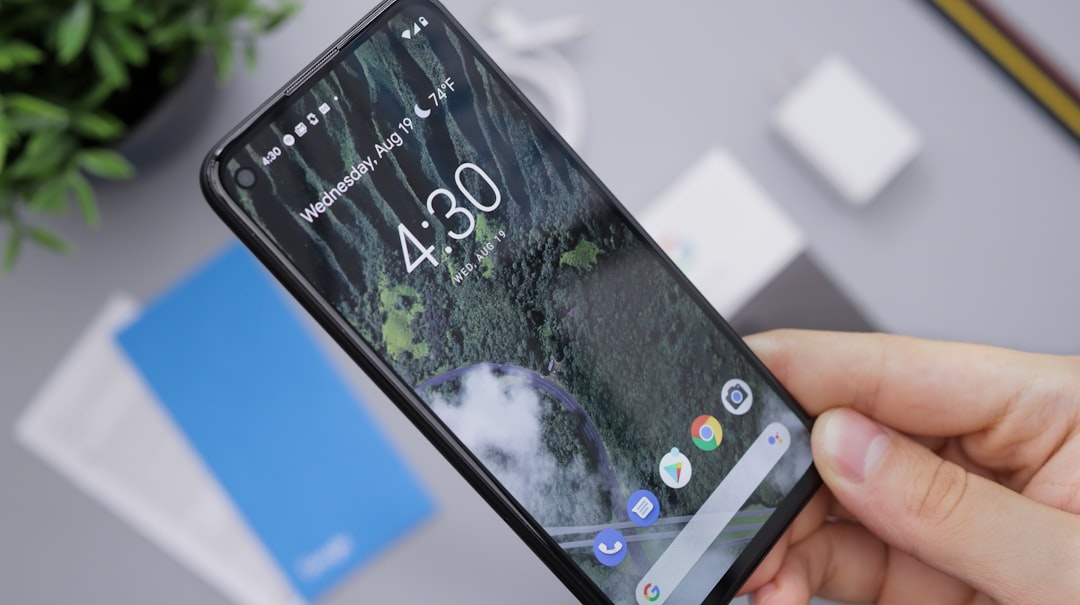
Monticello’s innovative approach to blocking political robocalls has garnered significant attention for its effectiveness and user-centric design. Their anti-spam measures go beyond traditional blocking methods by employing a multi-layered strategy that combines advanced technology with thoughtful policy interventions. This step-by-step guide outlines how individuals in Indiana, and across the nation, can implement similar countermeasures to mitigate the influx of unwanted political calls.
First, users should download and activate call-blocking apps specifically designed to filter out spam. Apps like Monticello’s platform utilize machine learning algorithms to identify and block suspicious numbers based on patterns and known spammer databases. For instance, a study by the Federal Trade Commission (FTC) revealed that blocking apps can reduce robocalls by up to 70%. Second, it is crucial to register for Do Not Call lists at both the state and national levels. Indiana residents can enlist with the Indiana Public Utilities Commission, while the National Do Not Call Registry offers comprehensive protection against telemarketing calls.
Third, individuals should exercise caution when sharing their phone numbers publicly or on social media platforms. Spammers often gather contact details through such channels. Additionally, enabling call screening and voice mail systems can provide early detection of suspicious callers, allowing users to block or ignore calls proactively. For enhanced security, consider using unique, non-obvious phone numbers for sensitive accounts or when engaging with political organizations. This strategy, employed by many privacy advocates, makes it harder for spammers to target individuals directly.
Lastly, staying informed about evolving spamming trends and technologies is paramount. Monticello’s success lies in its continuous update of blocking algorithms to keep pace with emerging tactics used by robocallers. Regularly reviewing privacy settings on all devices and keeping software up-to-date ensures optimal protection against unwanted calls. By implementing these measures, Indiana residents can reclaim control over their communication channels and experience a significant reduction in political robocalls.
Beyond Monticell: Additional Tips to Stop Spam Calls

Monticello’s innovative approach to blocking political robocalls has sparked interest nationwide. Their success lies not just in advanced technology but also in a multi-faceted strategy that combines robust data analysis, precise targeting, and sophisticated algorithms. By identifying patterns and trends within call data, Monticello successfully filters out unwanted calls while minimizing false positives. This method ensures residents in Indiana and beyond enjoy a quieter, more peaceful environment, free from intrusive spam calls.
Extending beyond Monticello’s methods, individuals can take several proactive steps to stop spam calls naturally. One effective tactic involves registering on the National Do Not Call Registry, a federal list that restricts telemarketers from calling numbers listed on it. This simple step significantly reduces incoming spam calls. Additionally, leveraging call-blocking apps and integrating them with home security systems offers robust protection against unwanted callers. For instance, many modern security systems include built-in call blockers that automatically filter out known spam numbers.
Further, being mindful of sharing personal information online is crucial. Spammers often glean contact details from social media profiles and public records. Implementing stringent privacy settings on digital platforms and carefully considering what data to share publicly can significantly curb the influx of spam calls. Additionally, consumers should verify the legitimacy of any perceived official calls by contacting organizations directly using known, legitimate contact information.
Data suggests that a combined approach—enlisting regulatory bodies, adopting advanced technologies, and empowering individuals with knowledge—is essential in combating spam calls effectively. By staying informed about the latest tactics and tools available, Indiana residents can take charge and enjoy a quieter, more peaceful communication experience.